Bluffton, South Carolina
When Should You Bring an Interior Designer Into a New Build?
The best time is during architectural planning, before the plans are finalized. On stewardship, honest conversations about investment, and the decisions that shape a new home.
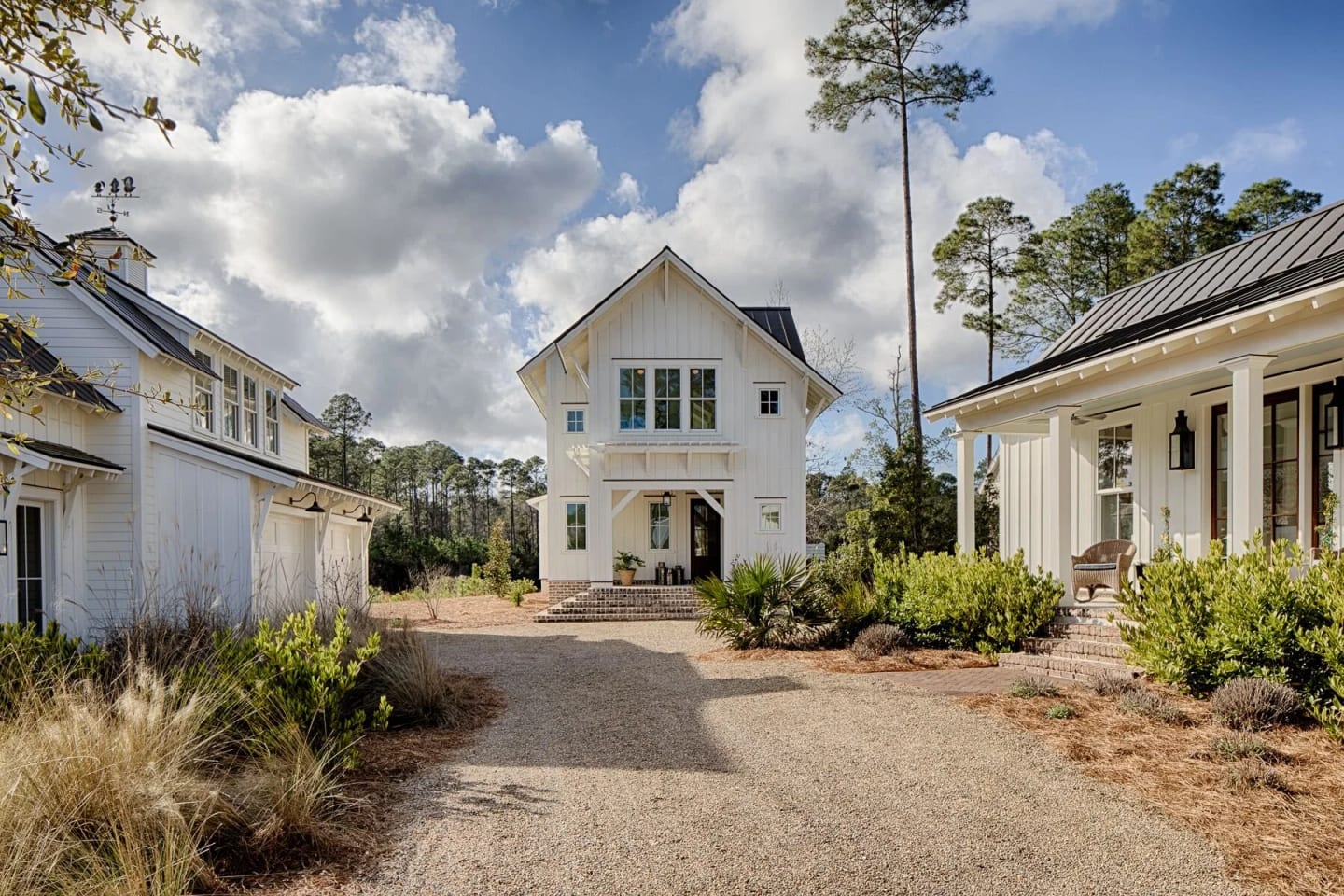
The best time to bring an interior designer into a new build is during architectural planning, before the plans are finalized and construction begins. That gives your architect, builder and designer time to work together while important choices are still open. You do not need to have your selections settled before you make the call.
You may already picture everyone gathered around the table in your new home. Then the drawings arrive, along with questions about cabinetry, millwork, lighting, materials and what it will all cost. Early involvement gives me time to understand the life you want in this home, connect it to the plans, and discuss the investment honestly. For me, that is where stewardship begins.
Begin with the way you want to live
I begin by listening to how you live and what you hope will feel different in your new home. Before choosing a finish, consider what you want an ordinary day here to feel like. Perhaps you love having people in the kitchen while you cook. Perhaps you would rather keep the preparation and cleanup out of sight. Both can lead to a beautiful kitchen. They can also lead to very different layouts, cabinetry needs and costs.
Or consider a dining table you already own and love. Its dimensions, the number of people you want to seat and the space needed to move around it belong in the planning conversation. So do the view from your favorite chair and the place you would like to read in the evening.
These details give a floor plan meaning. They help me look at a room with your furniture and routines in mind, while there is still room to make thoughtful adjustments. You should be able to recognize something of yourself in the plans long before you move in.
Work with the builder while choices are still open
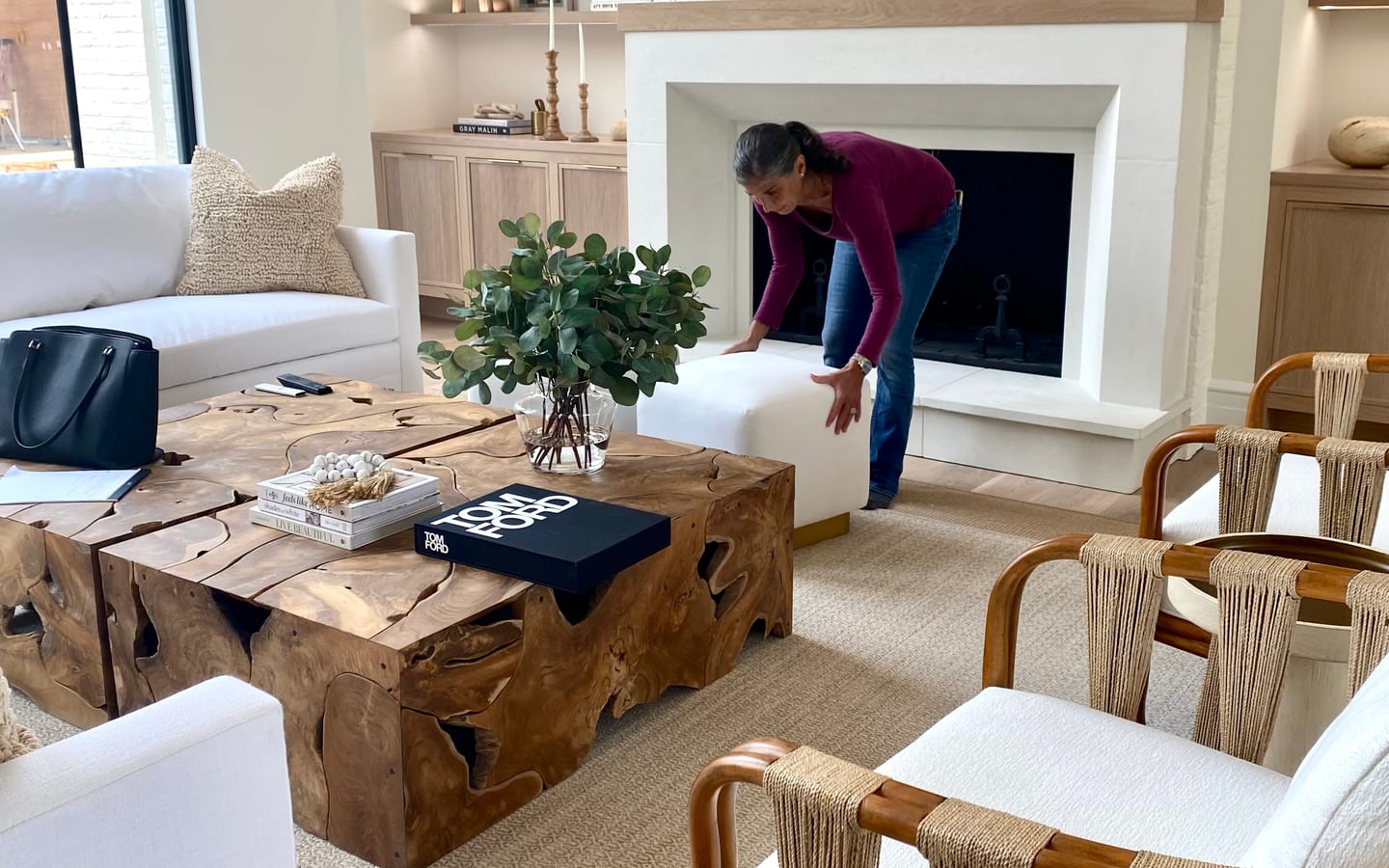
An architect, builder and interior designer bring different knowledge to a new home. The value is in having those perspectives in conversation early, with a clear understanding of who is responsible for each part of the work. I can consider how a space will feel and function while the builder helps assess what a proposed detail involves in construction, cost and timing. Those conversations help turn a design idea into something the team can plan and price.
Take a bathroom vanity. Its size and storage affect how comfortably you use the room. The sink and faucet selections need to work with the plumbing. Mirrors and lighting need to be considered together. Choosing each item independently can leave the team resolving conflicts later.
The same is true of a living room. A furniture plan helps inform electrical locations and lighting, as well as the space needed to walk comfortably through it. Millwork, including built-in shelving and paneling, needs to be considered alongside cabinetry, door swings and window placement. These are decisions to discuss while the drawings can still be refined, before framing or rough-in work makes an adjustment more involved.
When designers and builders collaborate from the beginning, clients gain a clearer understanding of priorities, opportunities and tradeoffs before decisions become costly to reverse. The builder has more useful information for pricing and planning, and you have time to understand a recommendation before a construction deadline makes it feel urgent.
Talk openly about investment and uncertainty
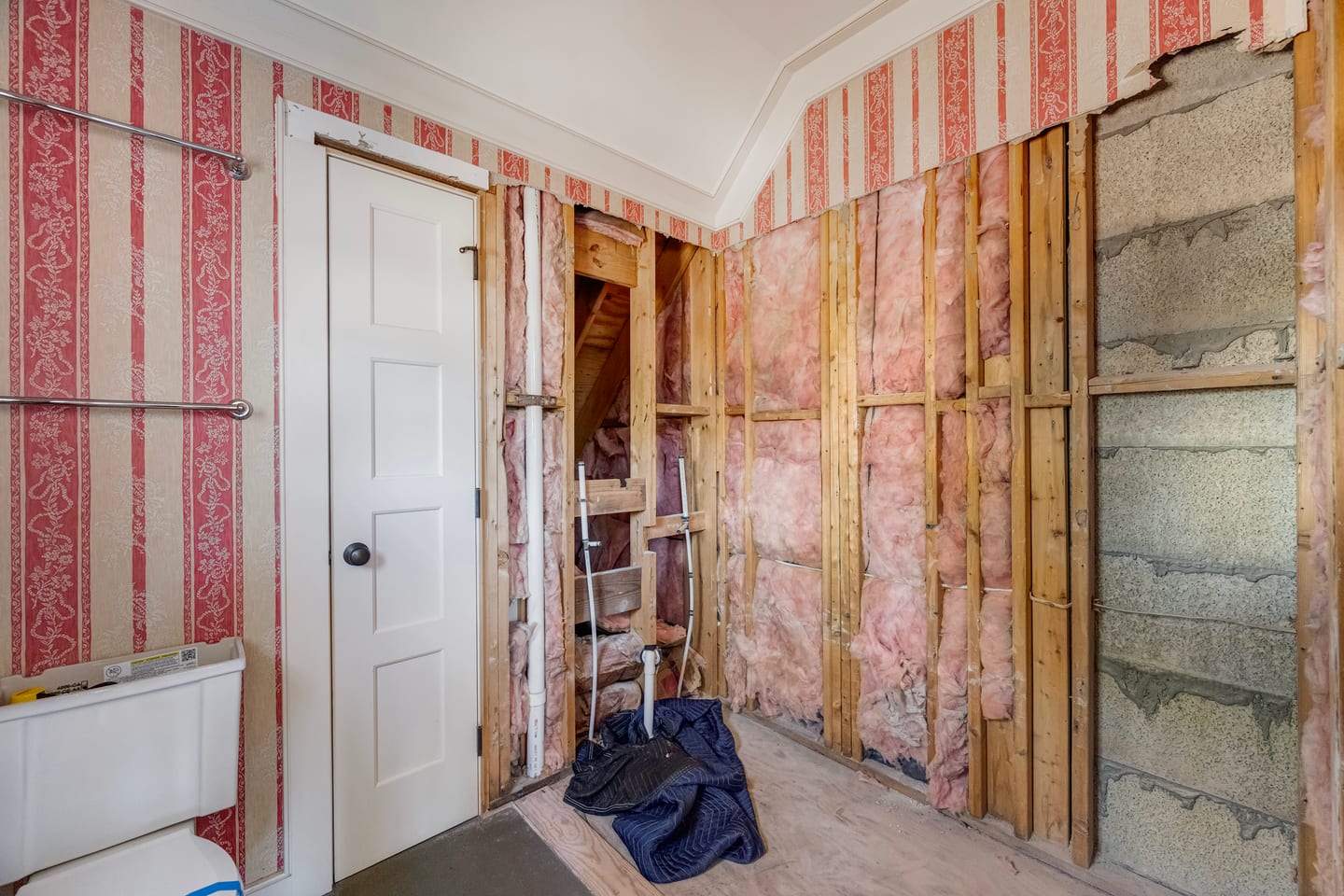
Construction costs, labor availability, material pricing and lead times can shift in ways that are difficult to predict. There can be a significant gap between the moment a vision begins to take shape and the moment trades are pricing the work or materials are being ordered. What clients are feeling is not simply the cost itself, but the uncertainty surrounding it.
Design needs pricing to inform decisions, yet pricing requires enough design development to understand what is being built. That is why the conversation about investment needs to begin early and continue as the design develops.
An initial allowance, an estimate and a confirmed price do not offer the same certainty. You should understand what a figure includes, what remains undecided and when it needs to be revisited. Good planning cannot eliminate every variable. It can help the team identify what needs checking and explain what a change means for your choices.
If a material costs more than expected, will choosing it mean simplifying another room? If an item has a longer lead time, can the schedule accommodate it? Those are fair questions. They deserve clear answers, including an honest answer when something is not yet known. Working through those tradeoffs before committing helps protect your investment by reducing the risk of avoidable changes, rushed substitutions or purchases that no longer fit the plan.
Decide what matters most to you
Every project has features that are fundamental to how a family lives, along with ideas that can be explored if budget and priorities allow. Making that distinction between essential elements and desirable additions is an important part of planning.
If you cook every day, the way your kitchen works may be fundamental. A separate scullery might be worth exploring, but it should earn its place through the way you will actually use it and what it adds to the budget. For someone else, comfortable guest rooms may matter more than an elaborate entertaining space.
It helps to understand what the home needs to do well from the beginning, what you would love to include if the investment allows, and what could reasonably wait. A decorative piece may be easy to add later; a change that affects walls, wiring or plumbing needs a different conversation. These priorities become especially useful when a quote comes back higher than expected. I can help you return to what matters most and consider where an adjustment makes sense.
Keep the finish line in view
The decisions made during construction will shape the finished home. A built-in cabinet affects where furniture can sit, and that furniture arrangement affects how you move through the room. Looking at those relationships early helps connect the architecture and interiors. Wallpaper, textiles, millwork and lighting can be considered alongside the furniture and pieces you already love, so the home feels complete and cohesive when you move in.
Keeping the finish line in view also makes the process easier to manage. Faced with one selection after another, it is easy to reach a point of design fatigue. My role is to help you understand which decisions need attention now and how each one relates to the larger plan. A clear direction gives you a basis for choosing, rather than starting from scratch with every finish or fixture. It also helps you see when a proposed alternative supports your priorities and when it would compromise something important to you.
Give trust time to develop
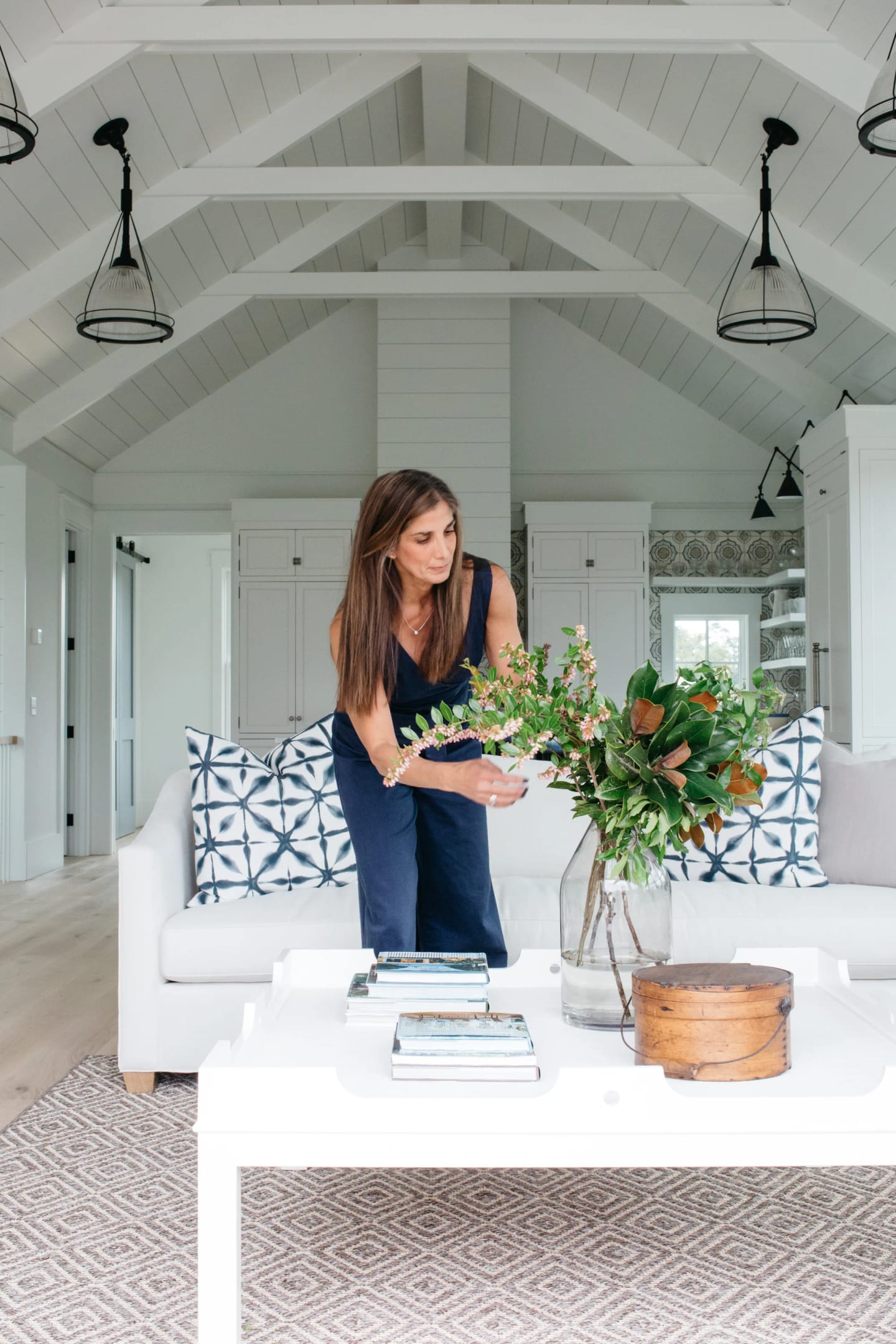
Stewardship means helping guide a project with care. It means communicating openly about tradeoffs, helping clients understand the implications of decisions before they are made, and ensuring that scope remains aligned with priorities. Most importantly, it means recognizing that every investment represents trust.
That trust matters when something changes. You should feel comfortable asking why a recommendation has been made, saying that a number feels uncomfortable, or admitting that you are unsure. The more clearly we can discuss investment, expectations and priorities from the outset, the better experience we can create. Establishing trust before challenges arise gives those later conversations a stronger foundation.
If your new build is already underway, begin with an honest review of what has been decided and what is still open. Useful work can still be done, but the recommendations should respect the stage of construction and the cost of revisiting earlier decisions.
If you are planning a new home in Bluffton, Hilton Head or the surrounding Lowcountry, I would welcome a conversation while your ideas are taking shape. Bring the drawings you have, the questions you are carrying and a sense of what matters most to you. That is enough to begin.
The renovation is complete. Additional before photographs will be added here.
Related project
Duck Crossing Residence
Palmetto Bluff, South Carolina. See the finished rooms in the portfolio.
View the project