Spring Island, South Carolina
Furnishing a Whole Home Around the Pieces You Love
Some pieces deserve a place in the conversation early. On furniture plans, wallpaper and textiles, millwork and lighting, and making room for the things that have moved with you from house to house.
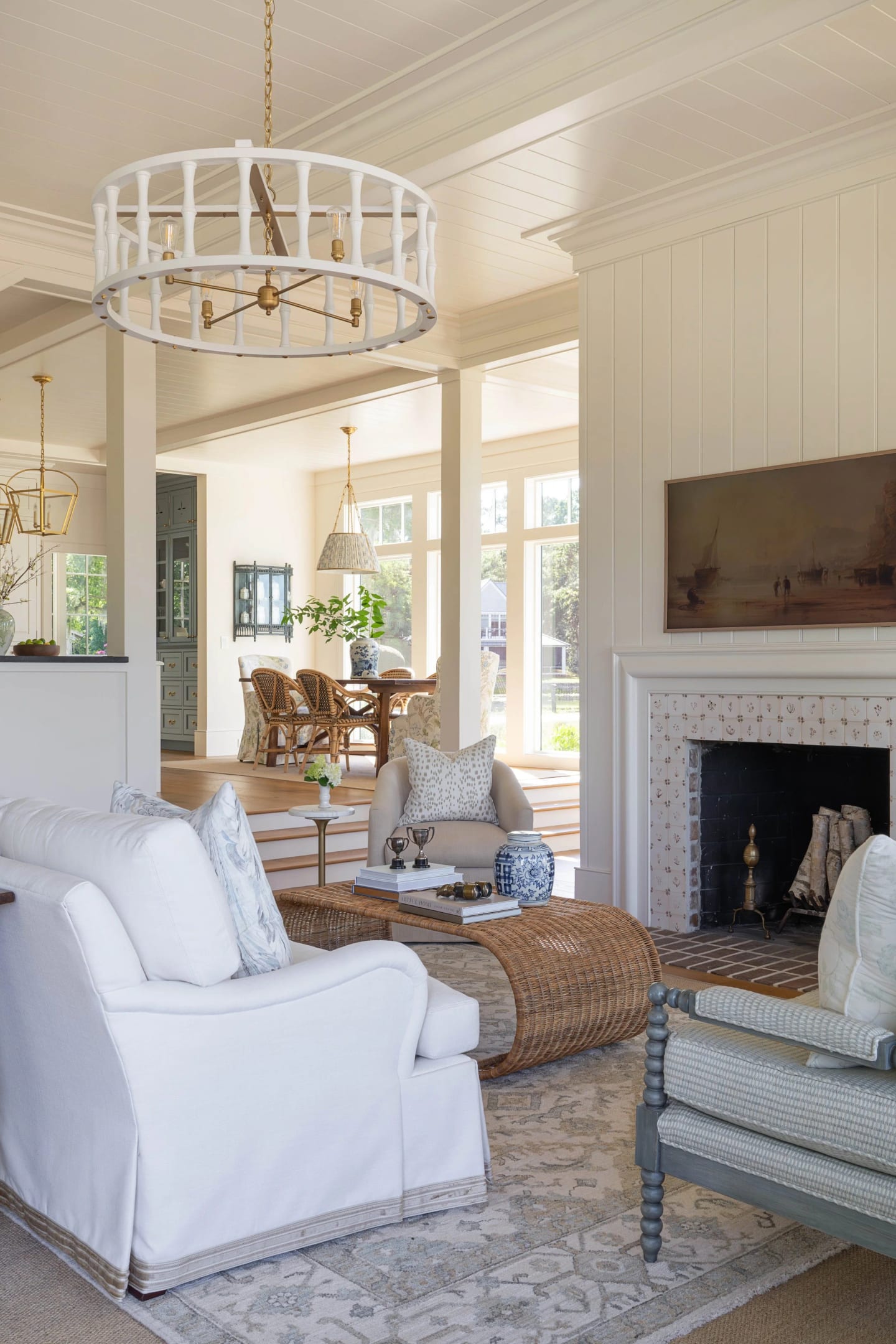
When you begin thinking about furnishing a home, some of the decisions may already be made. There is a painting you want to see every day. A chair that is still your favorite place to sit. A few things you have packed carefully each time you moved, even when you were unsure where they would go.
Those pieces deserve a place in the conversation early. They tell you something about what makes a home feel familiar, and they can give the design a more personal starting point than a room full of new purchases.
In our home on Spring Island, the entry console holds pieces that have moved with JC and me from house to house. That small arrangement carries something of our life into the renovated rooms. A whole-home project can involve substantial change and still make room for the things that have been with you for years.
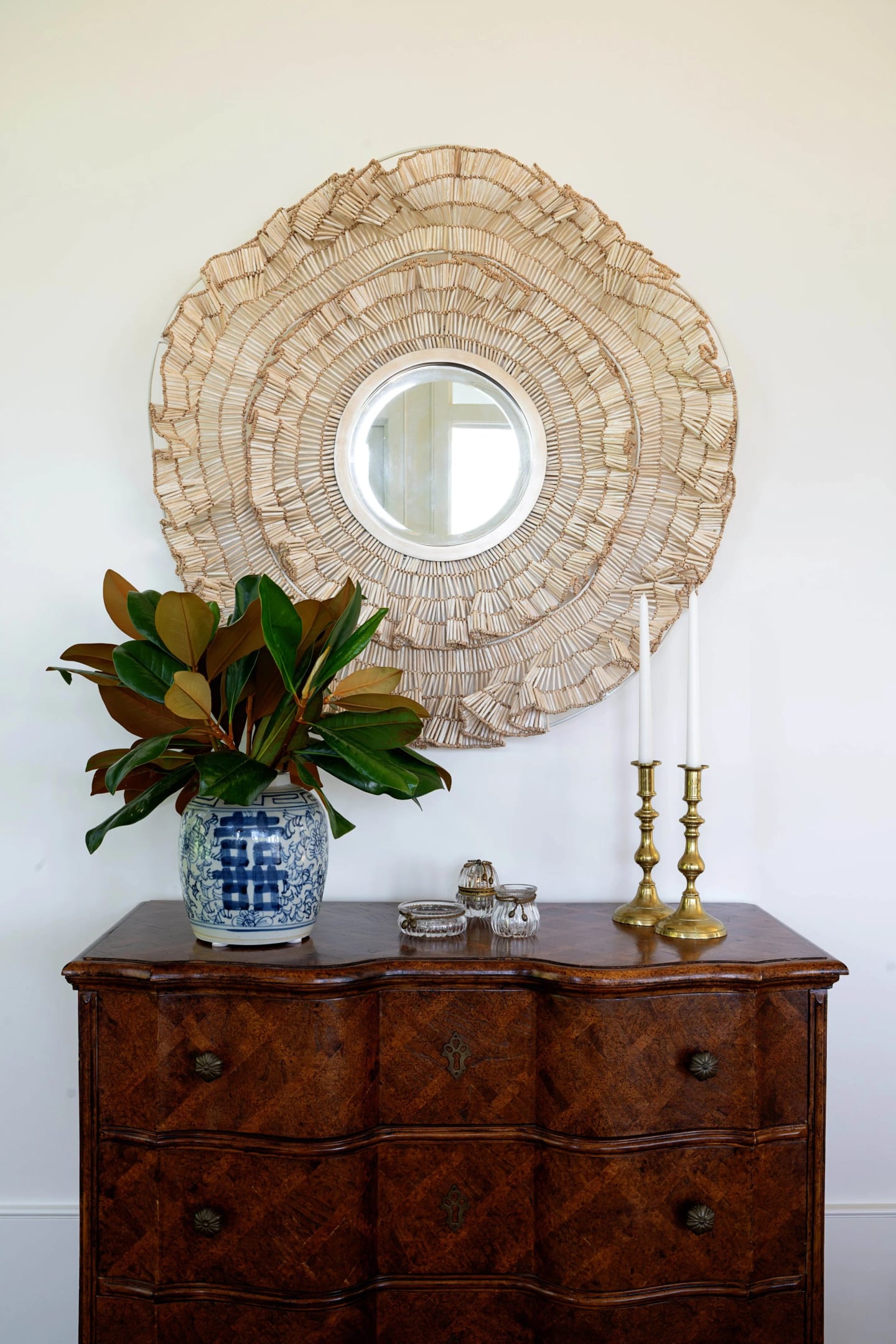
The interesting work is figuring out how everything will live together.
Before choosing anything new, look closely at what you already own. Some pieces matter because of their history. Others have simply proved themselves through years of use. You may love the shape of a chair but feel finished with its fabric, or enjoy a painting more than the frame around it. Understanding what you value about an object helps determine what should be preserved and what could change.
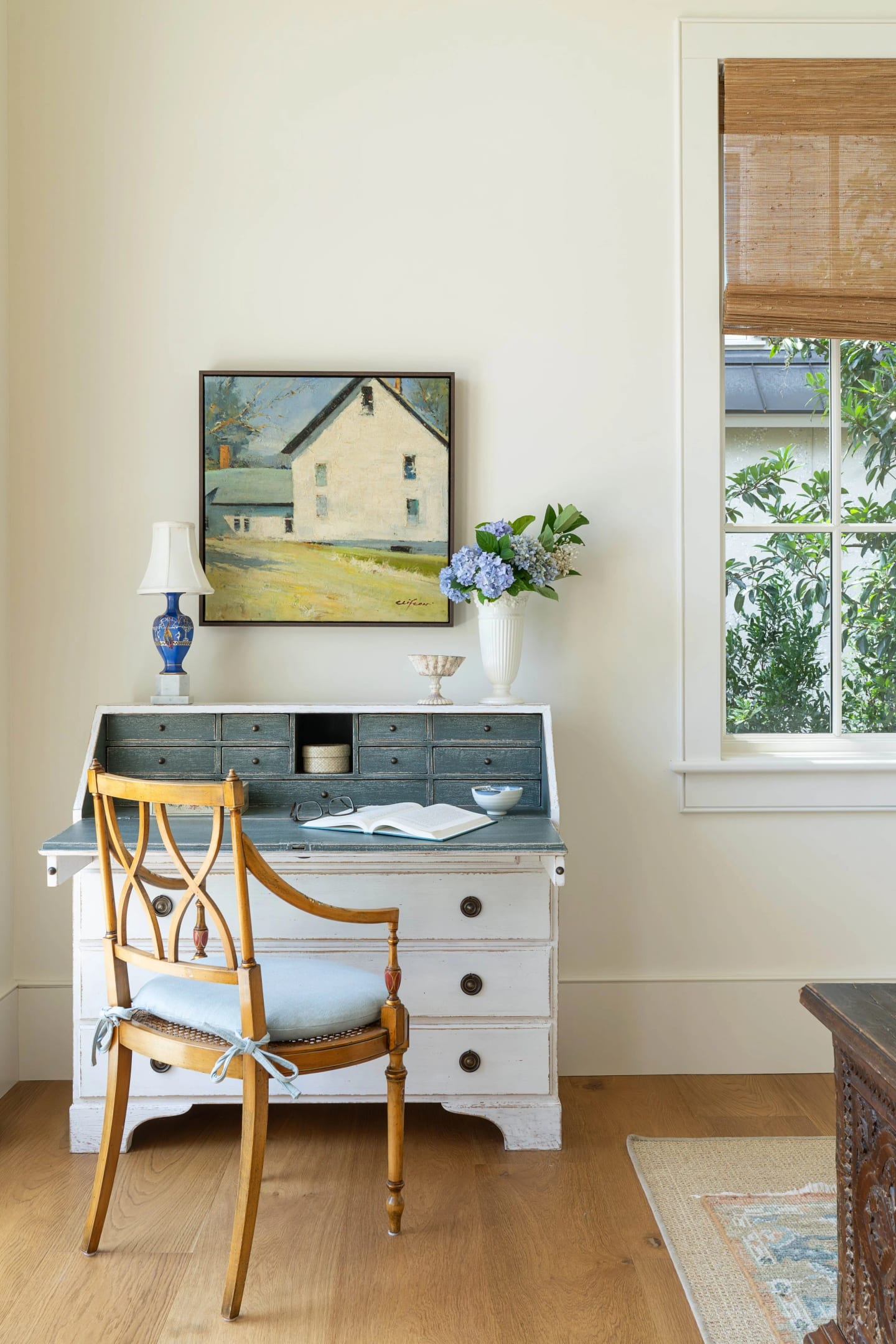
It is also helpful to separate the things you truly want in the finished home from the things you are keeping for now. A piece can have served you well without needing to shape every decision ahead. There is room for an honest conversation about both attachment and practicality, without rushing either one.
From there, the furniture plan matters enormously. A favorite piece needs enough room to be comfortable and useful. A dining table affects how many people can sit together, how easily chairs pull out and whether someone can pass behind them. A deep armchair needs more than an empty corner. It needs a good relationship to the other seating, somewhere to put a glass and enough light to read.
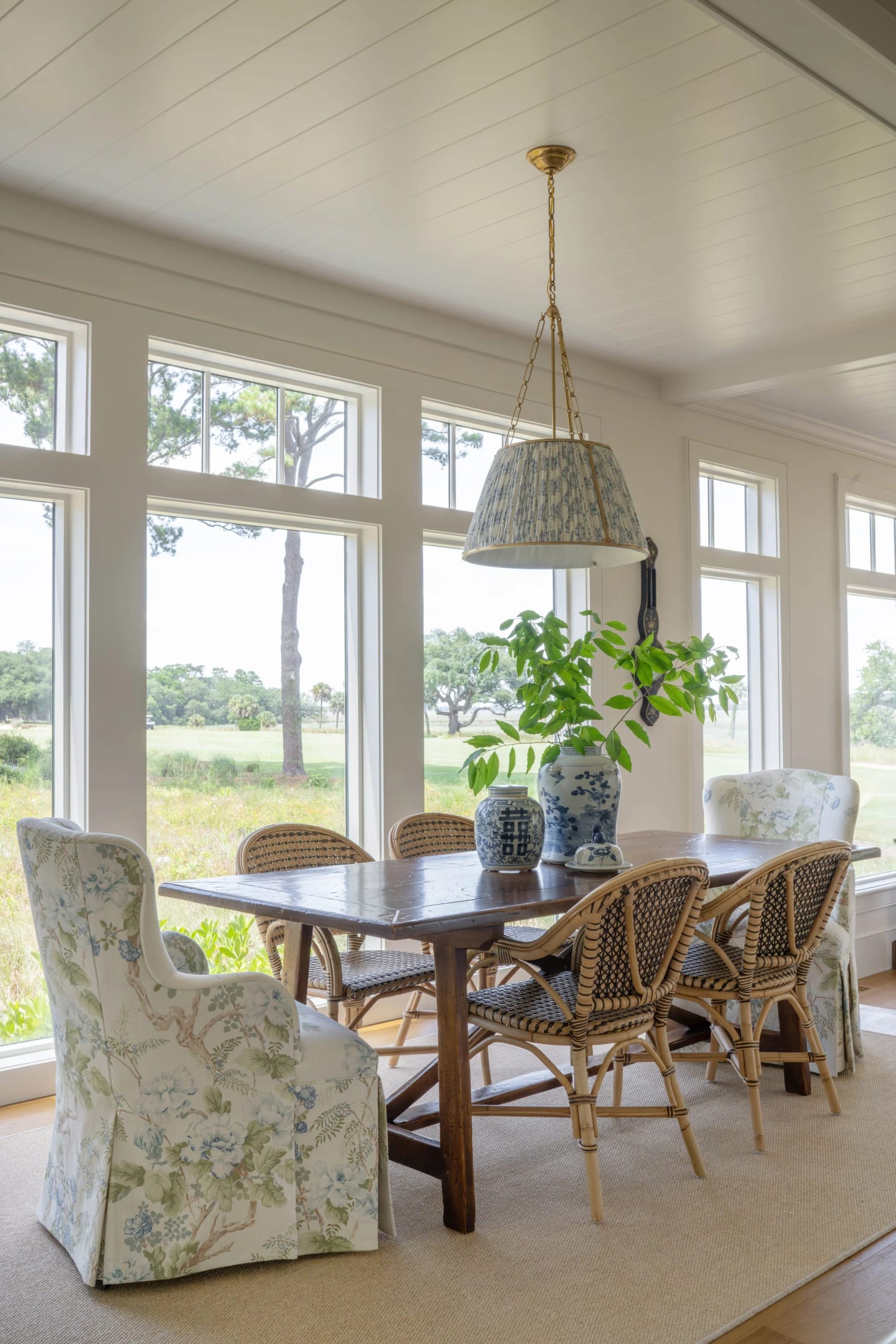
Measurements give those conversations substance. So do photographs of the pieces you hope to keep. Bringing them into the planning stage allows the entire house to be considered, rather than trying to find a place for everything after the new furniture has been selected.
That broader view can reveal possibilities you would miss by thinking room by room. A chest that once held serving pieces might work beautifully in a bedroom. A small table could become a useful surface beside a chair. Familiar furniture often looks different when it has a new purpose or more space around it. Its previous location does not have to determine its next one.
Once the placement begins to make sense, the materials can help bring the rooms together. Look for something in a favorite piece that can carry into the surrounding space: a muted color in a painting, the warmth of a wood finish, the curve of an arm. That connection can be quiet. A color might appear generously in one room and only in the edge of a textile in another.
Wallpaper is particularly useful here because it changes the setting around the furniture. A textured wallcovering can give a simple arrangement depth. A small pattern can bring life to a room with quieter upholstery. A larger pattern needs to be considered alongside the artwork and furniture silhouettes so the things you love remain easy to see.
It helps to look at the wallpaper, upholstery, rug and wood finishes together, in the room where they will live. A sample that seems warm on its own may look quite different beside an existing floor or beneath an evening lamp. These relationships become clearer when you can see and touch the materials together.
Textiles offer another way to connect pieces from different periods. An older chair with a good frame may feel at home beside a new sofa when its upholstery is chosen with the whole room in mind. A softly textured fabric can sit comfortably alongside patterned curtains, while a rug can bring several wood tones into the same composition.
Reupholstery deserves some thought before it becomes the assumed answer. The condition of the frame, the comfort of the seat and the amount of work required all matter. Keeping a piece should lead to something you will enjoy using. If a chair has always been uncomfortable, changing its fabric alone will leave that problem in place.
Millwork can make room for personal belongings in a more lasting way. Shelves should be planned around the size of the books and objects they will hold. A cabinet intended for a collection needs suitable depth and a practical way to reach what is inside. The space above a chest needs to work with the artwork you hope to hang there. These details are easier to resolve when the furniture, belongings and architecture are being considered together.
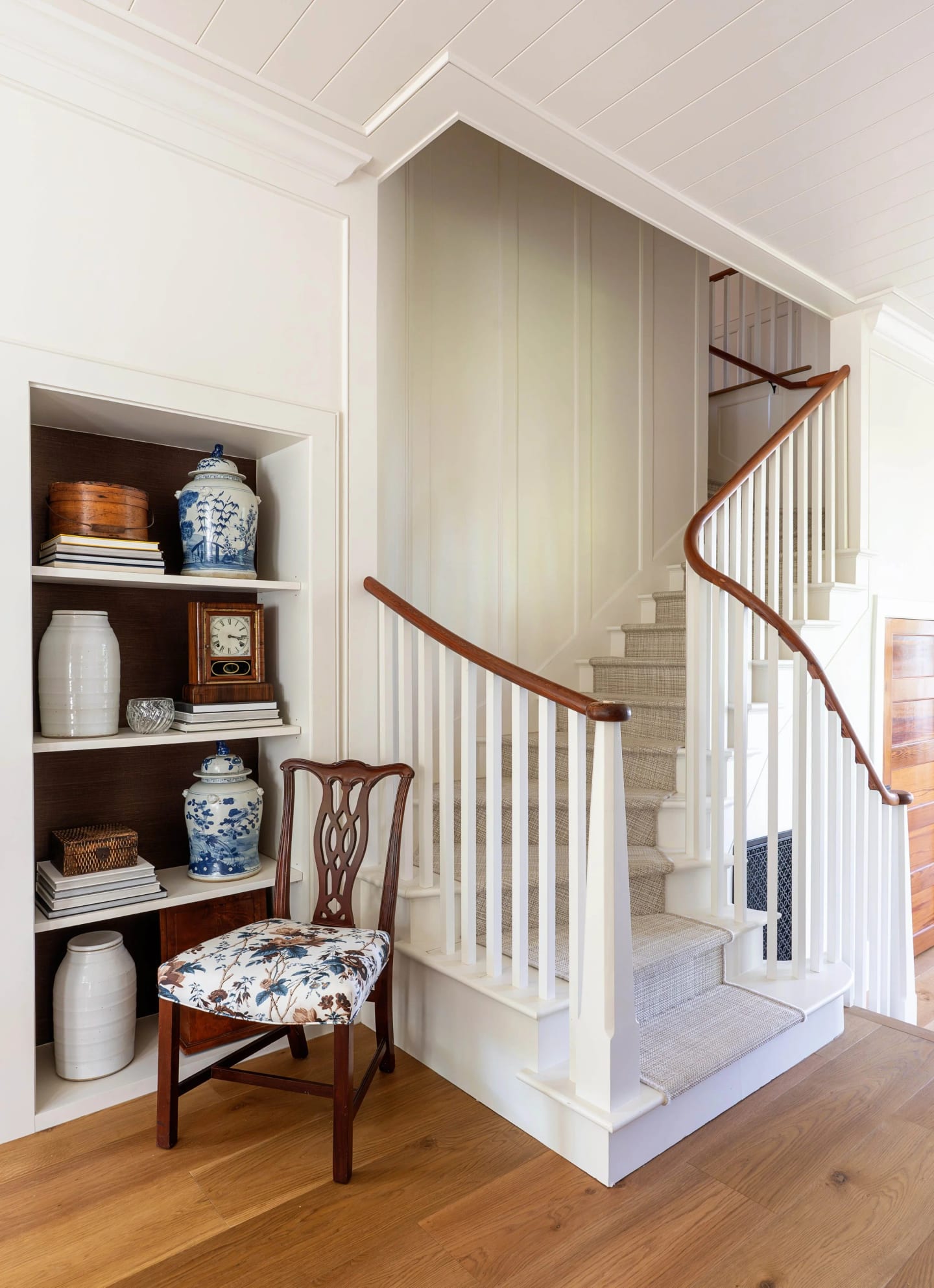
There is also value in leaving some open space. A collection can be appreciated more easily when every shelf is not full. A painting may have greater presence on a generous stretch of wall. Giving a piece room can be as consequential as choosing something new to sit beside it.
Lighting deserves the same attention. The chair you love should be comfortable to read in after sunset. The entry should feel welcoming when you come home in the evening. A lamp needs to work with the height and surface of the table beneath it, and a chandelier needs to relate to the dining table and the room around it. Where new wiring is involved, those relationships belong in the plan early.
Then step back and consider what you see as you move through the house. From the entry, you may look into the living room and beyond it to the dining room. The colors, shapes and lighting in those spaces will be seen together, even if each room has a different character. A few repeated materials can create continuity while allowing a guest room to feel softer or a study to feel more enclosed.
Thinking about the whole home also helps with investment. The cost of furnishing a room includes the rug under the seating, the window treatments, the lamps and the work needed to restore or re-cover existing pieces. Considering those elements from the outset gives you a clearer picture of what the finished home will require.
Some decisions deserve to come first because so much else depends on them. The scale and comfort of the main seating, the placement of the dining table and the dimensions of a rug affect daily life. Smaller decorative pieces can be chosen with more freedom once those relationships are settled. And there can still be space for something you have not found yet.
A thoughtfully furnished home should welcome the life you bring to it. The pieces you have kept can sit comfortably beside new ones, supported by wallpaper, textiles, millwork and lighting that give each room its character. Over time, you will add other things, move something to a different room and find new favorites.
The home can change with you while keeping the things you are glad to come back to.
Related project
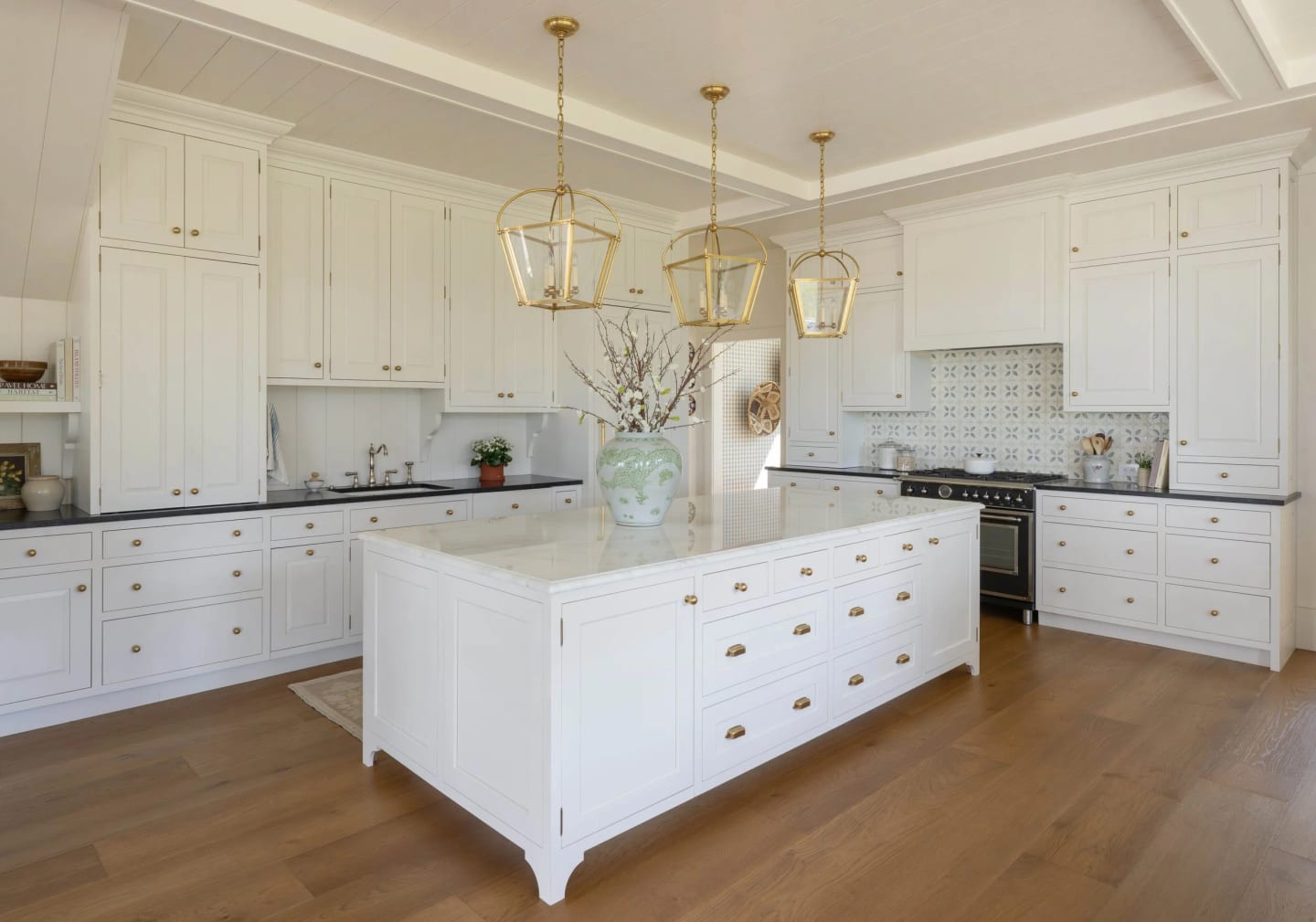
Lowcountry Waterfront Home
Spring Island, South Carolina. See the finished rooms in the portfolio.
View the project